
Deep review 2026
Seedance 2.5 vs Seedance 2.0: The Ultimate AI Video Generator Comparison
AI video generation has rapidly evolved in 2026. Seedance 2.0 introduced a strong multimodal video pipeline, and Seedance 2.5 builds on it with longer output, better consistency, and stronger reference control.
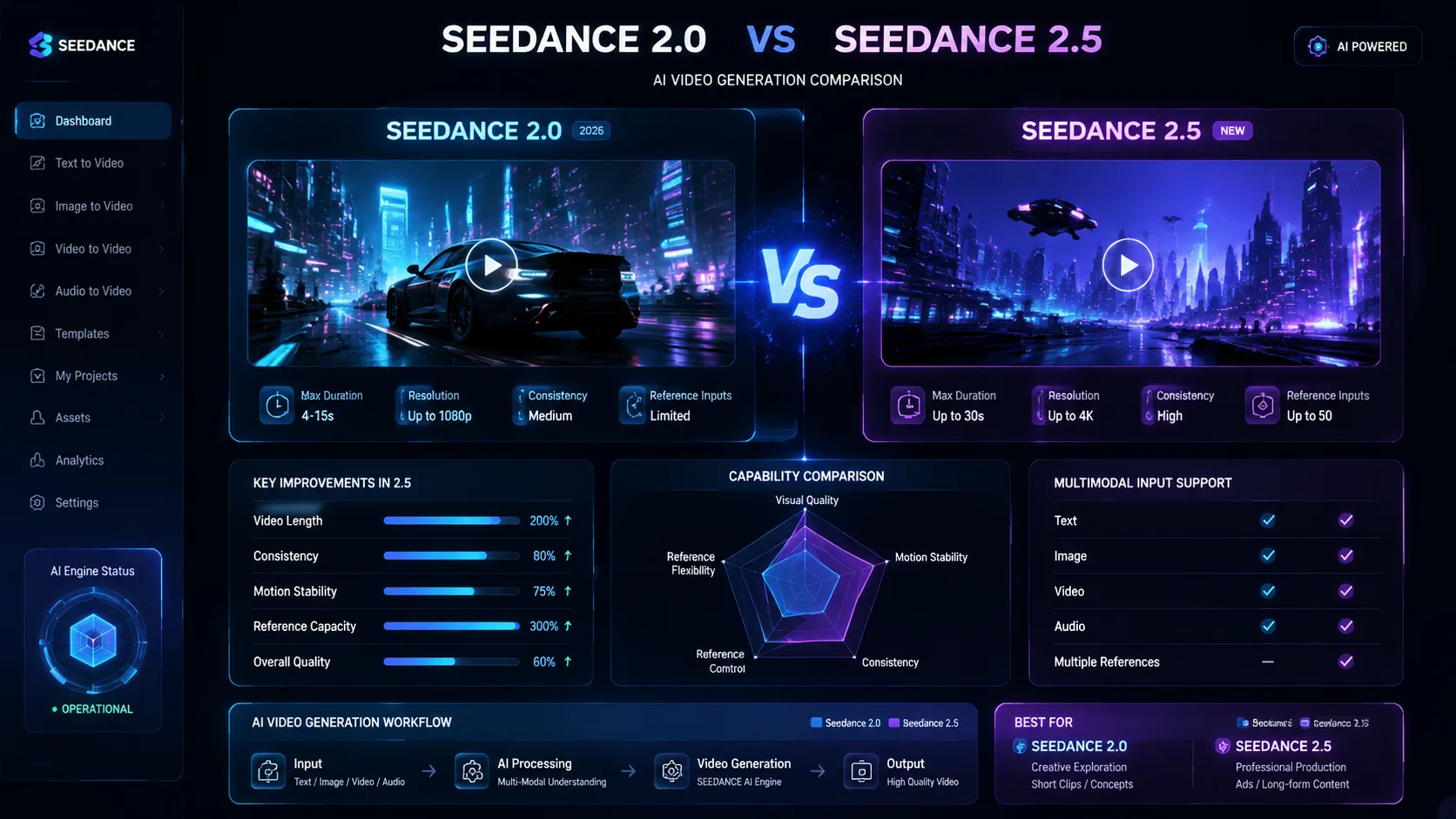
Comparison focus: This guide separates creative experimentation from production delivery, with emphasis on continuity, reference control, and the amount of post-production each workflow requires.
Quick Verdict
For creators comparing Seedance 2.5 with Seedance 2.0, the practical answer is clear: Seedance 2.5 is the stronger choice for production workflows, while Seedance 2.0 remains valuable for experimental creative control.
- Overall winner
- Seedance 2.5Better for commercial video, ecommerce, longer storytelling, and repeatable production workflows.
- Creative control
- Seedance 2.0Still useful for short cinematic drafts, prompt exploration, and more unpredictable creative experiments.
What Is Seedance?
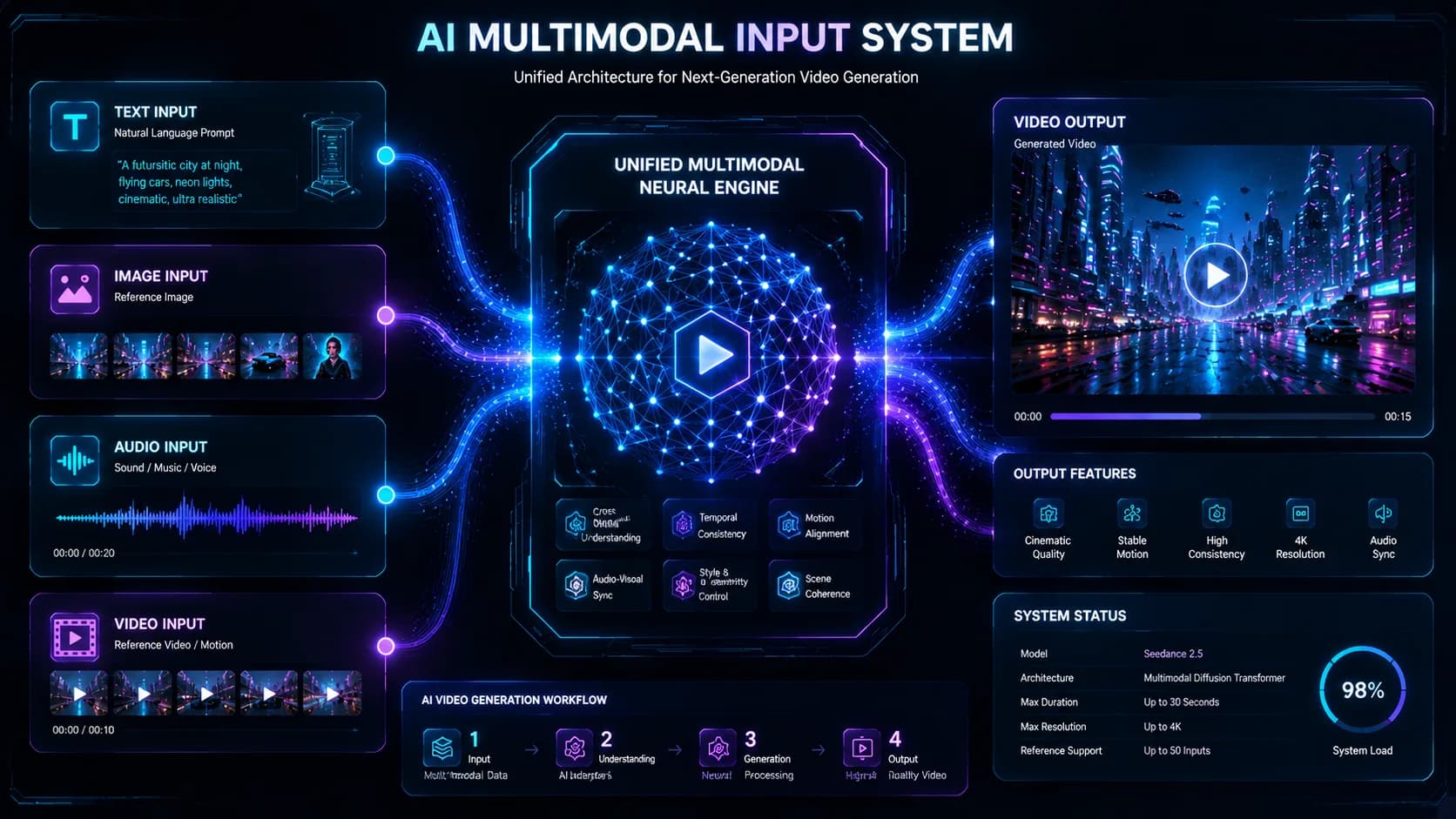
Seedance is a multimodal AI video generation system developed by ByteDance, designed to unify multiple input types into a single cinematic content creation pipeline.
- Text-to-video generation
- Image-to-video generation
- Audio-driven motion synthesis
- Video reference conditioning
- Multimodal editing workflows
In practice, that means Seedance is not just a simple prompt-to-video generator. It behaves more like a directing system for motion, reference control, camera intent, and multimodal composition.
Seedance 2.0 Deep Analysis
Seedance 2.0 launched as one of the strongest multimodal video models in its class. It is especially good at cinematic lighting, short-form storytelling, motion realism, and flexible prompt interpretation.
Core strengths
- High visual fidelity
- Strong motion physics
- Cinematic framing
- Realistic lighting transitions
- Highly sensitive prompt interpretation
- Flexible multimodal input handling
Key limitations
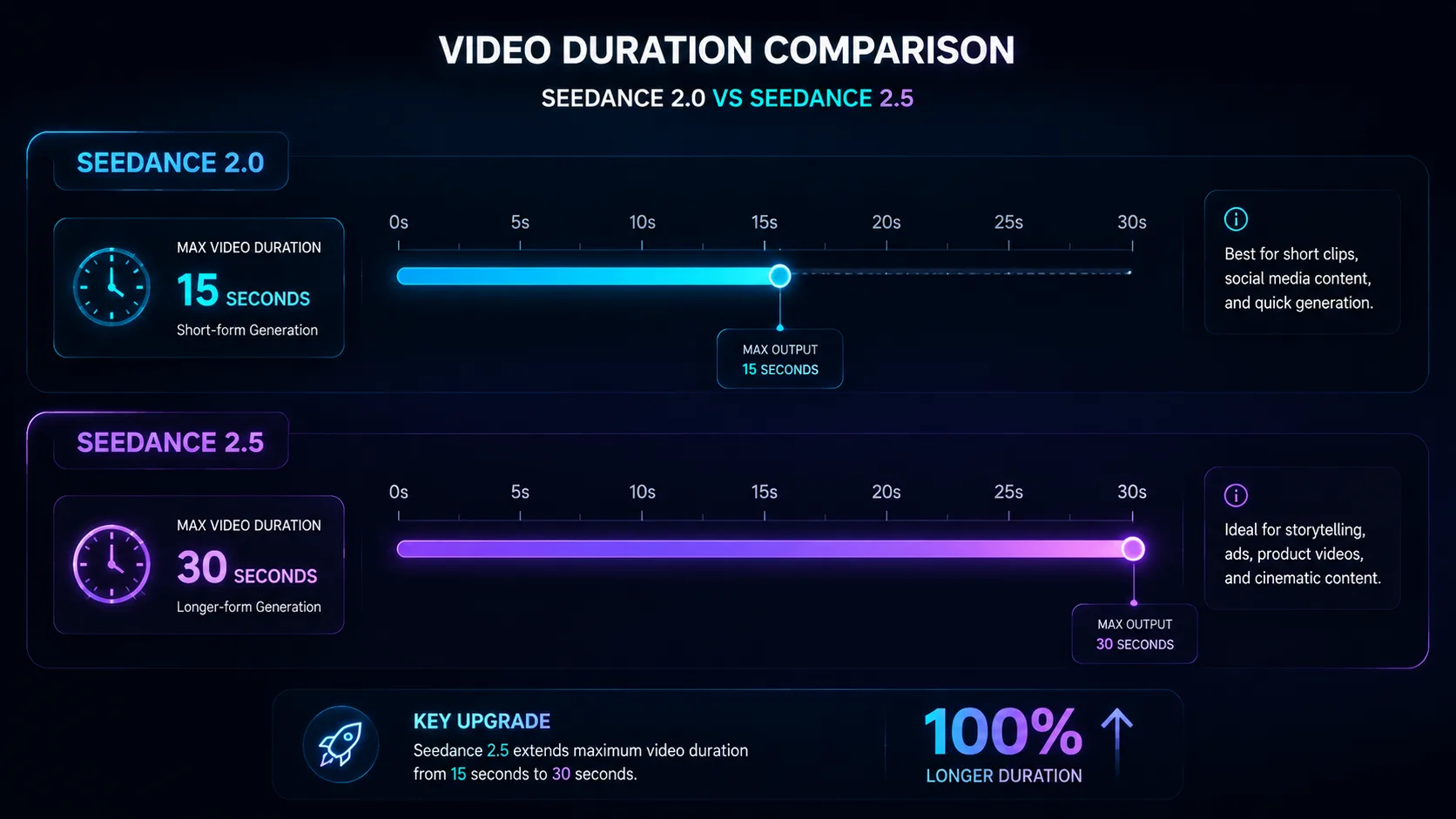
- Most generations stay in the 4-15 second range
- Long videos need segmentation and manual stitching
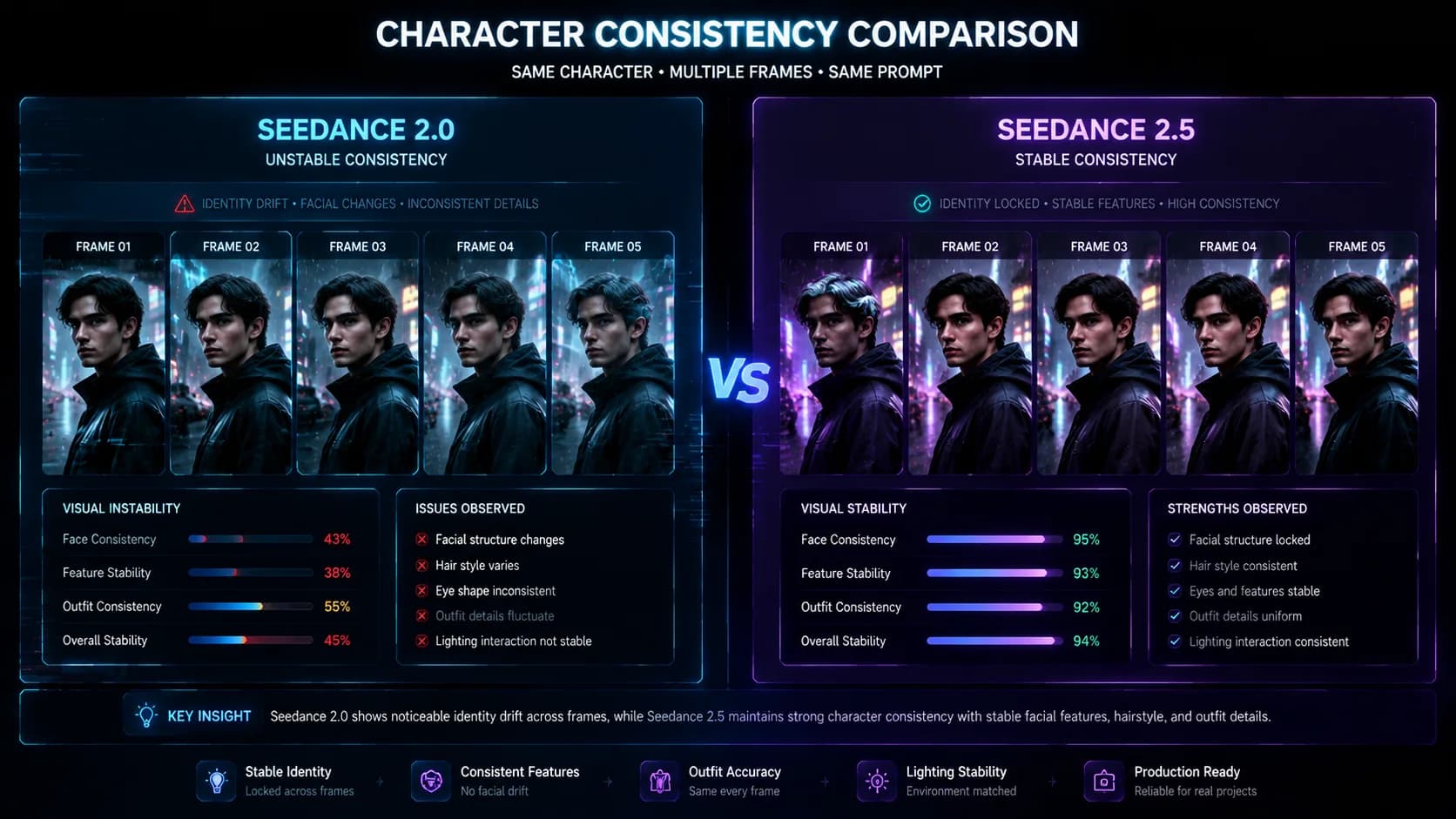
- Character identity can drift across clips
- Complex scenes require experienced prompt control
The main limitation is duration. Short outputs force longer videos into multiple segments, and every segment increases the chance of identity drift, scene mismatch, or manual editing work.
Seedance 2.5 Overview
Seedance 2.5 is best understood as an enhanced evolution of Seedance 2.0, not a full reset. It focuses on longer output, larger reference sets, output stability, and a more production-oriented workflow.
- Longer generation
- Seedance 2.5 extends usable generation length to roughly 30 seconds, which makes a complete short scene possible in one pass.
- Expanded reference control
- The model is built around larger reference sets, including images, style guides, video references, and structured multimodal conditioning.
- Improved consistency
- Character identity, lighting, and frame-to-frame motion are more predictable, especially when the same subject appears across a longer shot.
- Production-oriented workflow
- Seedance 2.5 prioritizes stability, commercial usability, and lower post-editing effort over unpredictable creative variation.
This makes Seedance 2.5 more useful when the output needs to survive client review, paid media placement, or a structured editing pipeline. The Seedance 2.5 review covers the model in more hands-on detail.
Seedance 2.0 vs 2.5: Core Differences
Real-World Use Cases Comparison
Different creators will not value the upgrade in the same way. The right model depends on whether you need speed, experimental freedom, continuity, or commercial reliability.
Social Media Content
Longer clips, fewer edits, and more stable visuals make 2.5 the better fit for TikTok, Reels, Shorts, and daily campaign output.
Advertising & Marketing
Product ads, ecommerce visuals, and brand storytelling benefit from longer generation, better consistency, and less post-production risk.
AI Art / Experimental Content
Seedance 2.0 remains useful when the goal is creative unpredictability, prompt exploration, and short cinematic experiments.
Production Pipeline / Automation
For repeatable workflows, Seedance 2.5 is more practical because reference control and continuity reduce the number of failed passes.
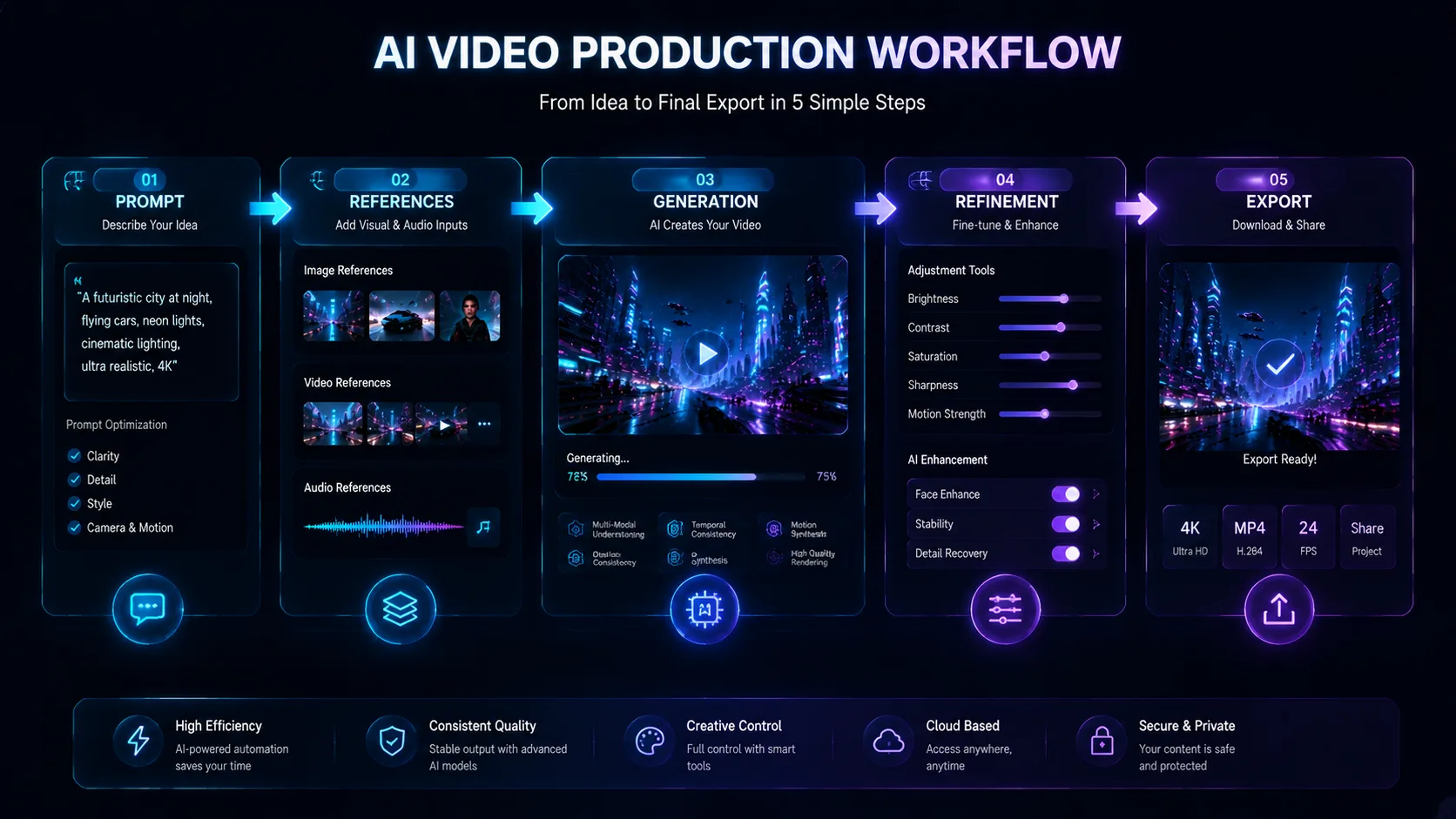
Real Output Comparison
The following examples show practical output differences between Seedance 2.0 and Seedance 2.5. Use them as a visual supplement to the feature comparison, not as a claim that every prompt will behave identically.
Example 1: Product Advertisement
A luxury skincare bottle slowly rotating under soft cinematic lighting, shallow depth of field, premium studio background, high-end commercial advertising style.
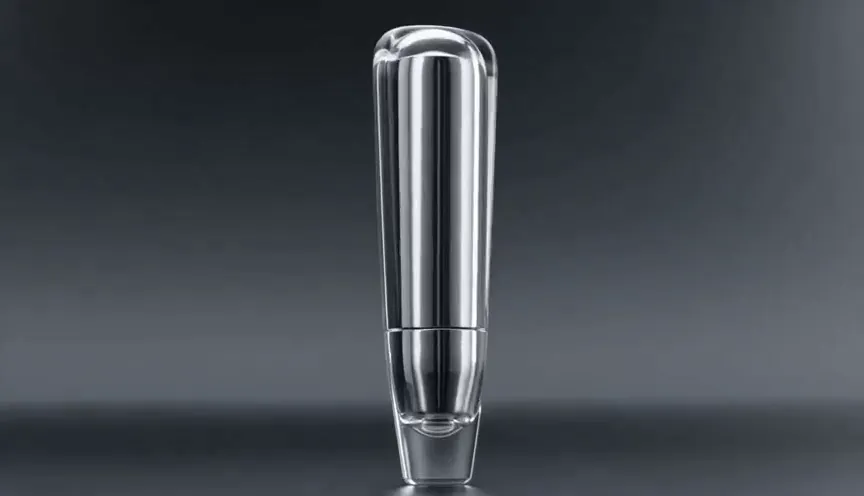
Seedance 2.0
Strong concept-ad lighting with occasional micro-shifts in motion, focus, and product-edge stability.
- Good material reflection and composition
- Slight instability during rotation
- Best for creative previews and early drafts
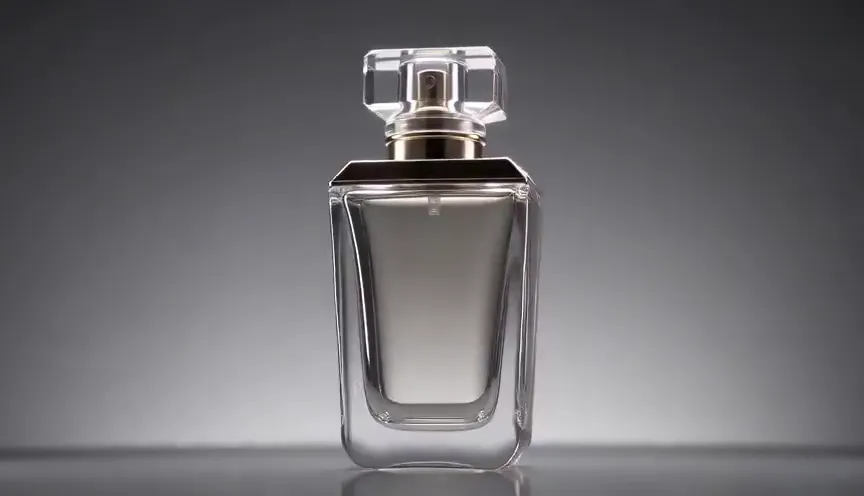
Seedance 2.5
A more stable product rotation path with cleaner edges and stronger focus retention.
- More stable rotation and lighting
- Cleaner temporal consistency
- Better for ecommerce ads and product showcases
Example 2: Cinematic Character Walking Scene
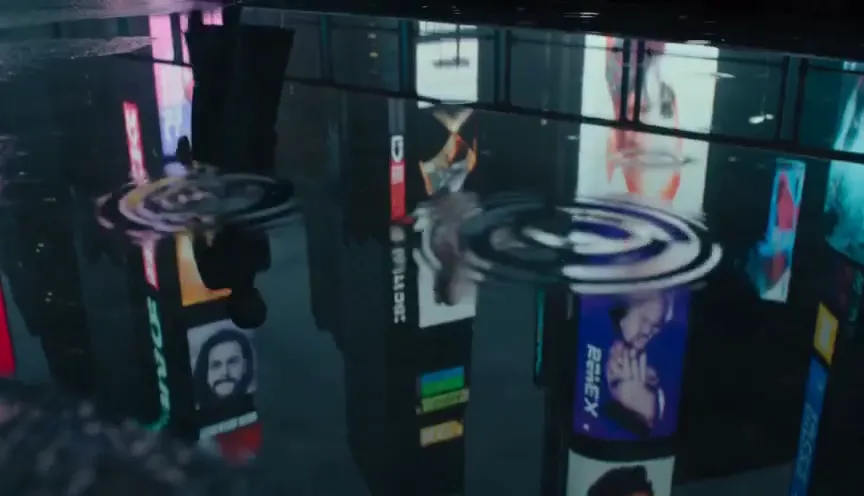
A young man walking through a neon cyberpunk street at night, cinematic lighting, rain reflections, slow motion, ultra-detailed environment.
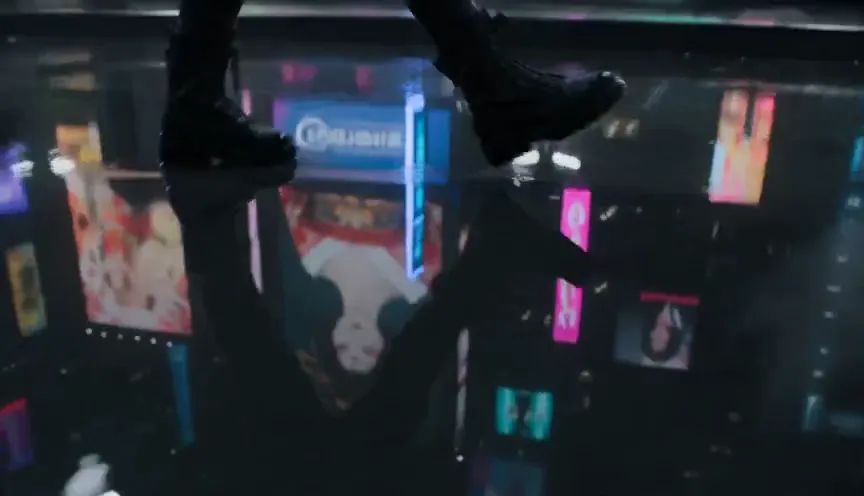
Seedance 2.0
Highly cinematic atmosphere, but identity and background lighting can vary through longer motion.
- Rich neon environment and reflections
- Character continuity can shift across frames
- Best for AI film experiments and stylized clips
Seedance 2.5
A stronger continuous-shot feel, with better body motion, face stability, and rain consistency.
- More stable facial identity
- Smoother walking motion path
- Better for short film sequences and narrative clips
Example 3: Multi-Reference Controlled Scene
Generate a cinematic scene using multiple references: character portrait, outfit style, street environment, lighting mood, and camera angle. Maintain full consistency across all elements.
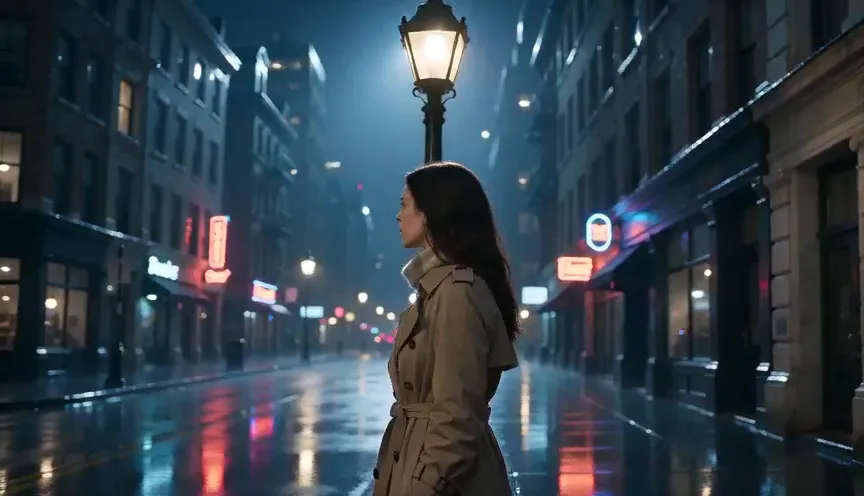
Seedance 2.0
Good at interpreting broad direction, but reference conflict resolution is not always stable.
- Partial adherence to identity and style
- Occasional blending of unrelated visual features
- Best for loose creative direction workflows
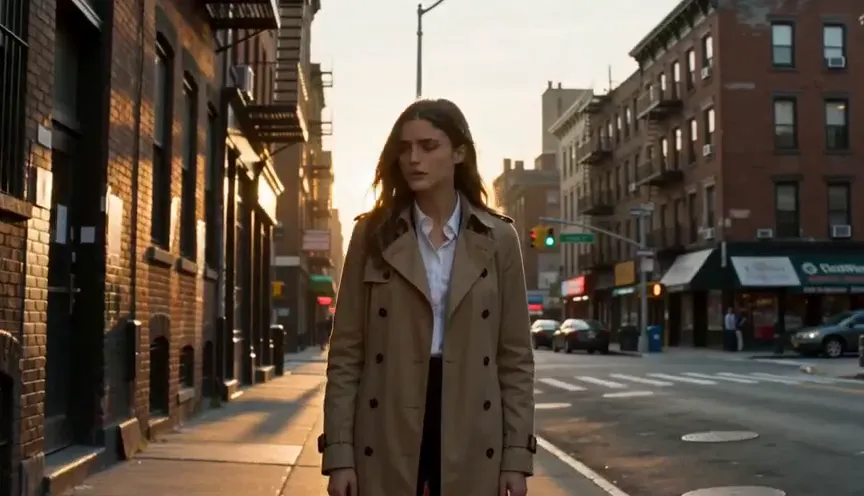
Seedance 2.5
Stronger alignment between character, outfit, lighting, environment, and camera intent.
- Better alignment across reference inputs
- Reduced visual conflict between references
- Better for brand-controlled production workflows
Example 4: Motion Stability
A person walking through heavy rain, holding an umbrella, cinematic slow motion, realistic street reflections.
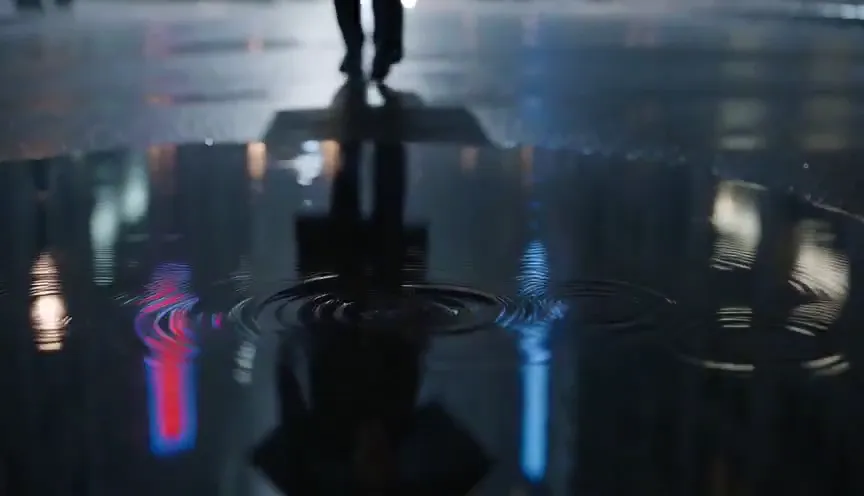
Seedance 2.0
Visually impressive rain and atmosphere, but the motion can feel slightly segmented.
- Realistic rain simulation and atmospheric depth
- Umbrella movement can drift
- Best for impressive short clips
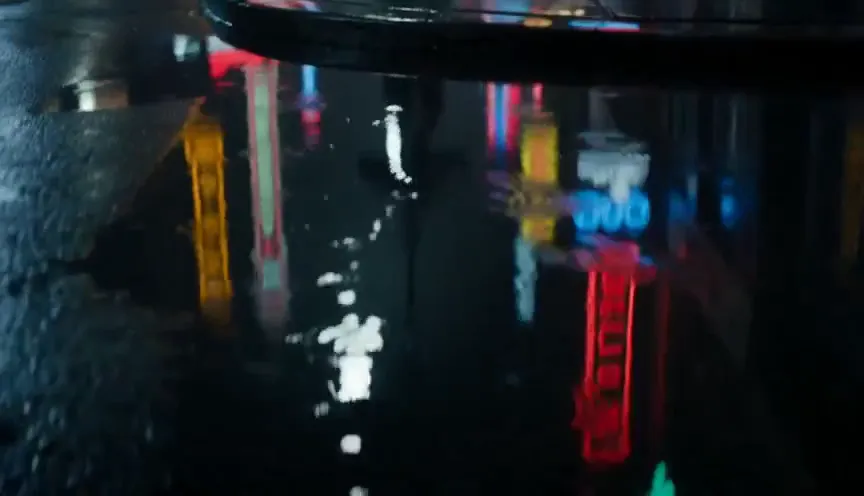
Seedance 2.5
More coherent umbrella movement, reflection continuity, and walking motion.
- More stable umbrella positioning
- Better wet-ground reflection continuity
- Better for physically coherent continuous shots
Technical Reality Check
Based on available documentation and product-level descriptions, Seedance 2.0 should be treated as a multimodal short-form model, while Seedance 2.5 is an incremental upgrade focused on longer output, improved consistency, and expanded reference control.
Strengths Summary
Seedance 2.0 strengths
- Strong prompt control
- High cinematic quality
- Excellent for experimentation
- Flexible multimodal inputs
- Creative freedom
Seedance 2.5 strengths
- Longer video generation
- Stronger consistency
- Better reference handling
- More production-ready outputs
- Reduced workflow fragmentation
Final Verdict
Choose Seedance 2.0 if you want experimental AI filmmaking, short cinematic clips, high prompt sensitivity, and creative exploration.
Choose Seedance 2.5 if you want marketing videos, commercial production, longer storytelling clips, and more stable output quality. For practical generation, open the Seedance 2.5 AI video generator and start with a structured prompt and references.
FAQ
- Is Seedance 2.5 a completely new model?
- No. Seedance 2.5 is best understood as an upgraded version of Seedance 2.0 rather than a completely new architecture.
- What is the biggest improvement in Seedance 2.5?
- The biggest improvement is longer usable video generation, moving from short 4-15 second clips toward roughly 30-second continuous outputs.
- Does Seedance 2.5 improve consistency?
- Yes. Seedance 2.5 improves character stability, scene continuity, lighting consistency, and multi-reference alignment across frames.
- Is Seedance 2.0 still relevant?
- Yes. Seedance 2.0 remains useful for experimental AI filmmaking, short cinematic clips, and creative prompt exploration.
- Which model is better for commercial use?
- Seedance 2.5 is the stronger commercial choice because longer outputs and better stability reduce editing work and make results more publishable.
Final Conclusion
Seedance 2.0 and Seedance 2.5 are not competitors. They are two stages of the same evolution: Seedance 2.0 is built for creative control and experimentation, while Seedance 2.5 is built for production and commercial video workflows.
For most real-world users in 2026, Seedance 2.5 is the more practical choice. Seedance 2.0 remains important for creative exploration, but Seedance 2.5 is easier to trust when the final video must hold together.
If you want a workflow walkthrough before generating, use the Seedance 2.5 step-by-step guide before moving into production prompts.